> For the complete documentation index, see [llms.txt](https://enterprise-docs.datacamp.com/llms.txt). Markdown versions of documentation pages are available by appending `.md` to page URLs; this page is available as [Markdown](https://enterprise-docs.datacamp.com/optimizing-key-performance-indicators-via-the-groups-tab/reporting-section/adoption-report.md).
# Adoption report
This page gives admins insight into how users start learning on DataCamp and is most relevant during the initial onboarding process.
* Below is a brief description of each metric shown:
* [Adoption Score](#adoption-score)
* [Adoption Benchmark](#adoption-benchmark)
* [User Adoption Funnel](#user-adoption-funnel)
### Adoption Score
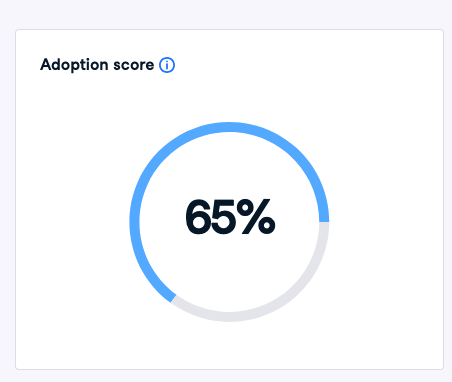
* The number shown is the percentage of users who have earned XP.
* For seat-based accounts, the score is calculated by dividing the number of users who have earned XP by the number of licenses.
* For unlimited accounts, the score is calculated by dividing the number of users who have earned XP by the number of invites sent.
### Adoption Benchmark
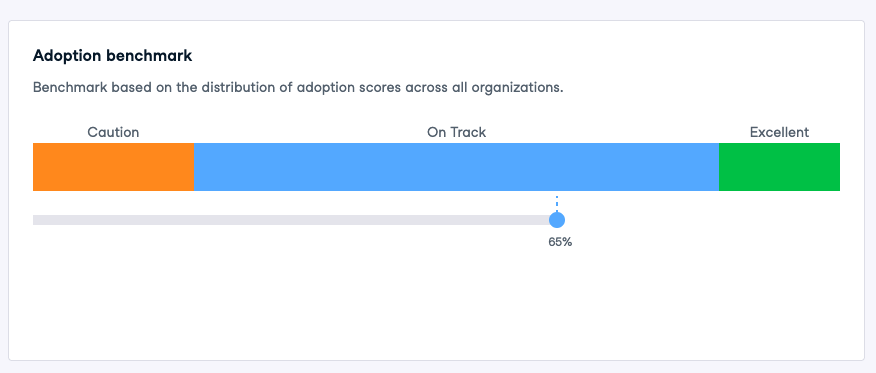
* The bar shows how the current adoption score compares to the distribution of scores across all organizations using DataCamp.
### User Adoption Funnel
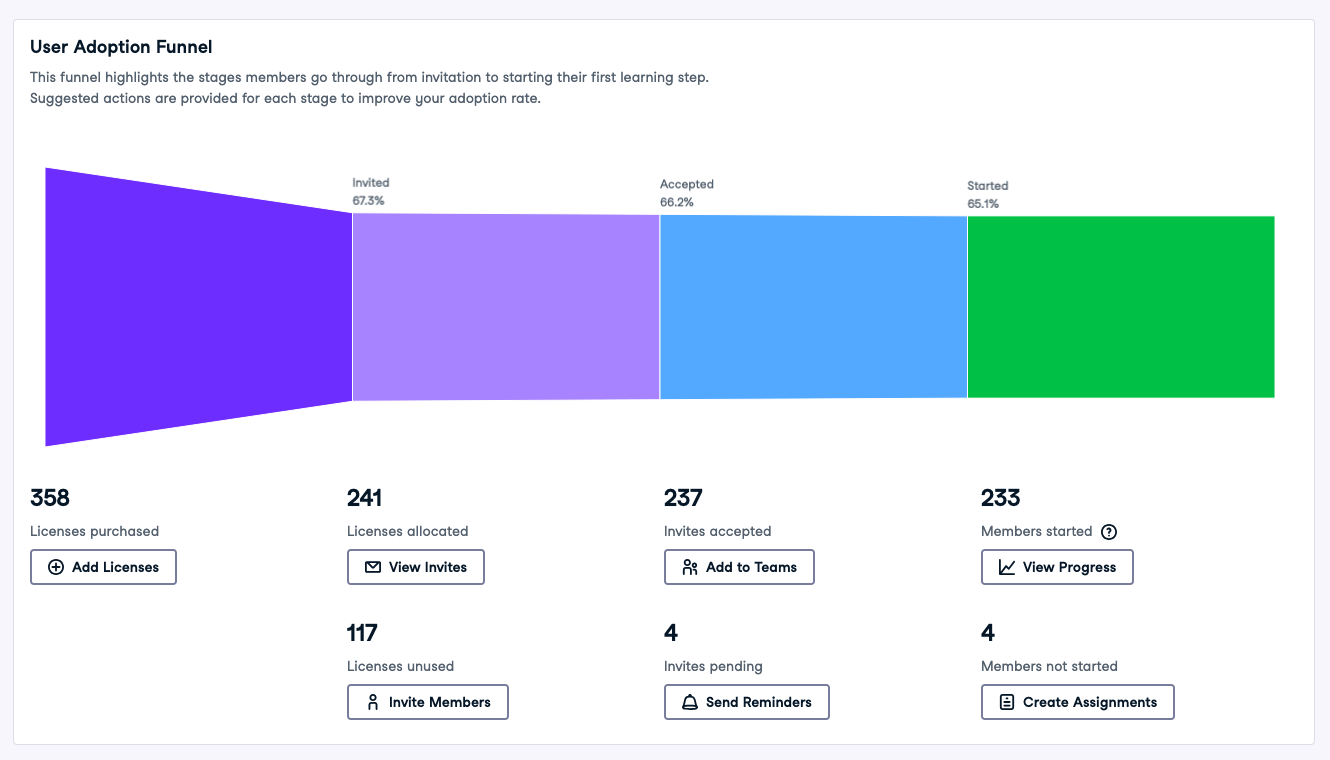
* The graph highlights users' stages, from invitation to starting learning, and shows the percentage of invited users that have reached each stage.
* For seat-based accounts, the funnel shows Licenses, Invites Sent, Invites accepted, Members started, Open seats, Invites pending, and Members not started.
* For unlimited accounts, the funnel shows Invites Sent, Invites accepted, Members started, Invites pending, and Members not started.